What Is the Talking Stage? Meaning, Timeline and How to Get Out of It
Content
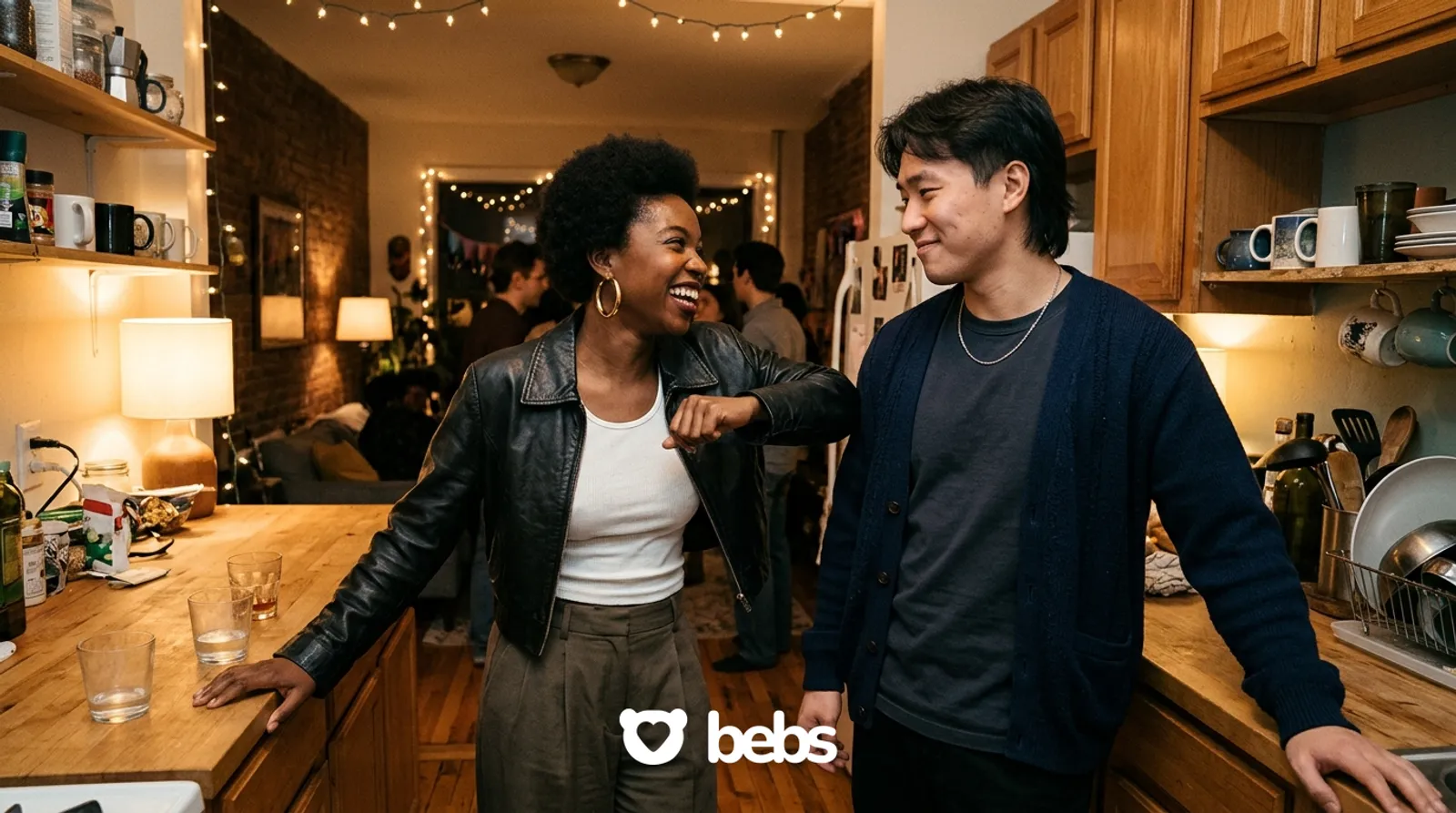
You text every morning. You know their coffee order, their sister's name and exactly which meme will make them laugh. But you've been on zero dates, there's no label, and when your friends ask "so what are you guys?", the honest answer is a shrug. Welcome to the talking stage.
For a lot of people, the talking stage is the most exciting part of meeting someone new. For just as many, it's a waiting room with bad Wi-Fi. Here's what it actually is, how long it should last, what to talk about, which red flags to watch for and how to get out of it, ideally in the direction of a real date.
What is the talking stage?
The talking stage is the period after two people show romantic interest in each other but before they're officially dating: lots of texting, flirting and getting to know each other, with no label and no commitment yet.
The term took off with Gen Z, and the talking stage meaning is pretty simple once you strip away the drama. You're not strangers, you're not just friends, and you're not together. You're checking whether the chemistry is real. Most talking stages start on a dating app, in someone's DMs or after a party where you swapped numbers, and most of them live almost entirely on your phone.
That last part is where things get tricky. Texting is a great way to spark interest and a terrible way to find out if you actually click. Someone can be hilarious over text and awkward in person, or the other way around. That's why the Bebs dating app is built around meeting up, not endless chatting: you can match, talk and then pick an event in your city or book a table right from the chat, so the talking stage has somewhere to go.

Talking stage vs. situationship vs. dating
The talking stage comes before dating, a situationship happens instead of dating, and dating is when you're regularly seeing each other and moving toward something defined.
In the talking stage, the main question is "do we like each other enough to meet up and see where this goes?" It's supposed to be short and forward-moving. A situationship is what happens when you skip that question entirely: you're already acting like a couple in some ways, hanging out, maybe hooking up, texting goodnight, but one or both of you avoids defining it. Dating is the stage where you go out regularly and both know you're exploring something real, even if you haven't had the exclusivity talk yet.
The easiest test: count the in-person plans. Lots of texting, no dates? Talking stage. Lots of time together, no clarity? Situationship. Regular dates and a shared sense of direction? You're dating.
How long should the talking stage last?
A healthy talking stage usually lasts a few weeks. If you've been texting steadily for two or three weeks and no one has suggested meeting, it's time to either make a plan or ask what's going on.
There's no official timer, but a talking stage that drags on for months tends to turn into one of two things: a pen pal friendship or a slow fade. The longer you text without meeting, the more you build a version of the other person in your head, and the higher the stakes feel when you finally do see each other. Short and sweet is not a sign of desperation. It's a sign you're both serious about finding out.
You might also see people quoting the 3 6 9 month rule in dating: three months of honeymoon, six months of seeing someone's real flaws, nine months to decide if this has a future. That's a framework for relationships, not for the talking stage. If you're applying it to someone you haven't even had coffee with, you're giving the phone way too much power.
Why the talking stage feels so confusing
The talking stage is confusing because nothing is defined: you don't know if they're talking to other people, how much effort is "normal" or whether you're both on the same page.
Part of it is pure math. When everyone has dozens of matches, it's normal to be in a few talking stages at once, and people rarely say so out loud. Part of it is the medium: a three-hour reply gap can mean they're at work, at the gym or losing interest, and you'll never know which. And part of it is that nobody wants to be the one who cares more, so both people play it cool until the whole thing cools off.
None of this means you're doing it wrong. It means the talking stage works best when you treat it as a short bridge to real life, not a place to live.
How to make the talking stage actually go somewhere
To move the talking stage forward, keep the conversation personal, suggest a real plan early and be honest about what you want.
Talk like a person, not a pen pal
"Hey wyd" on loop is how talking stages die. Pick up on details they mentioned and come back to them: the job interview they were nervous about, the show they told you to watch. Share something real about your day too. A conversation where only one person asks questions feels like an interview, and a conversation where nobody does feels like a group chat on mute.
Make a plan with a day and a place
"We should hang out sometime" is not a plan. "Want to grab dinner Thursday?" is. Specific beats vague every single time, because it gives the other person something easy to say yes to. In Bebs you can send a dinner invite straight from the chat and book a table at Olive Garden or Red Lobster right in the app, so the hardest part of the talking stage, actually committing to a time and place, takes one tap.
Know the unwritten talking stage rules
There's no rulebook, but a few talking stage rules save everyone a lot of overthinking. You don't owe anyone instant replies, but you do owe them basic consistency. Talking to more than one person is normal at this stage, while acting exclusive and then disappearing is not. And if you want to stop talking to other people, say so instead of hoping they'll guess.
What to talk about (and ask) in the talking stage
The best talking stage questions help you understand someone's everyday life and what they're looking for, without turning the chat into a job interview.
Skip the rapid-fire "fave color, fave food" list. You'll learn more from one good question and a real follow-up than from twenty quick ones. Mix the light stuff with a few questions that actually tell you whether you'd fit into each other's lives. A handful that tend to land well:
- What does a really good Saturday look like for you?
- What's something you're weirdly passionate about?
- What are you looking for right now, something casual or something that could turn serious?
- Who in your life do you talk to every day?
- What's a small thing someone can do that makes your whole day?
The "what are you looking for" question feels scary, but asking it early is a kindness to both of you. Better to find out in week two that you want different things than in month four.

Red flags in the talking stage
The biggest red flags in the talking stage are constant excuses to avoid meeting, hot-and-cold attention and any pressure for money, explicit photos or personal information.
Some red flags are about interest, some are about safety, and it helps to know the difference. Watch for:
- They always want to keep texting but never have time to meet, week after week.
- They only reach out late at night or when they're bored, then vanish for days.
- They talk about trips you'll take together and meeting their parents before you've even met.
- They get annoyed when you mention plans with friends or ask why you didn't reply faster.
- They ask for money, gift cards or crypto, no matter how convincing the story is.
The first two usually mean low interest. The last three are reasons to step back fast. And when you do meet, pick a public place and let a friend know where you'll be.
How to get out of the talking stage
There are two ways out of the talking stage: forward, by asking them out or asking what they want, or out, by kindly letting them know it's not going anywhere.
Going forward is simpler than it feels. If you haven't met yet, suggest something low-pressure for this week. If you've been on a few dates and want clarity, ask directly: "I really like spending time with you. Are you seeing where this goes too?" You're not proposing marriage. You're asking a yes-or-no question that the other person has probably been wondering about as well.
If the first date feels like too much pressure, make it a shared plan instead of a face-to-face interrogation. The events map in Bebs shows what's happening in your city, from concerts to pop-ups, and you can grab tickets in the app. Having something to look at and talk about takes the edge off for both of you.
Going out is just as valid. If the vibe has faded, a short, honest message beats ghosting every time: "I've enjoyed talking, but I'm not feeling a romantic connection. Wishing you the best." It takes thirty seconds and saves them weeks of wondering.
The talking stage isn't the problem. Getting stuck in it is. Treat it as the trailer, not the movie, and the right person will be just as excited as you are to see what comes next.

Take the talking stage off your phone
The Bebs dating app is made for people who'd rather meet than text forever. Match with someone, find an event near you or book a table at Olive Garden or Red Lobster right from the chat, and turn "we should hang out" into an actual date.
FAQ
Is it normal to talk to more than one person in the talking stage?
Who should make the move to end the talking stage, the guy or the girl?
Is there a dating app that helps you skip the endless talking stage?


4.6on App Store
4.6on App Store
Live. Don't wait.
Download Bebs and stop putting real life off for later.
Latest Blogs
Infatuation vs Love: How to Know Which One You're Feeling
You can't stop thinking about them, but is it love or just infatuation? A clear, honest look at the difference, how long infatuation lasts and how to tell what you're really feeling.

How to Get Over a Situationship (Even Without Closure)
It was never official, so why does it hurt this much? Here’s how to get over a situationship, even without closure, plus how to end one and avoid the next.

30 Second Date Ideas That Keep the Spark Going
The first date went well, now what? Here are 30 second date ideas for every vibe and budget, plus what to talk about and how to make date two count.